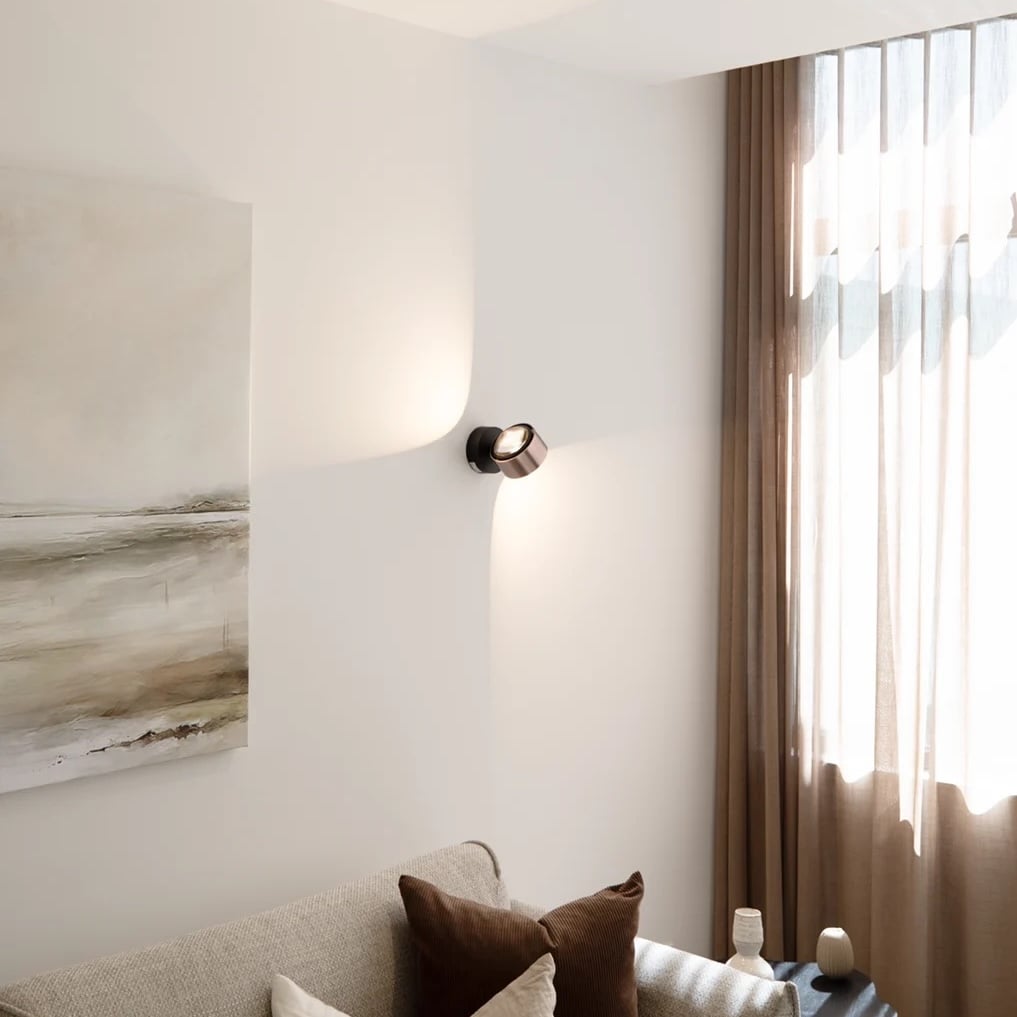
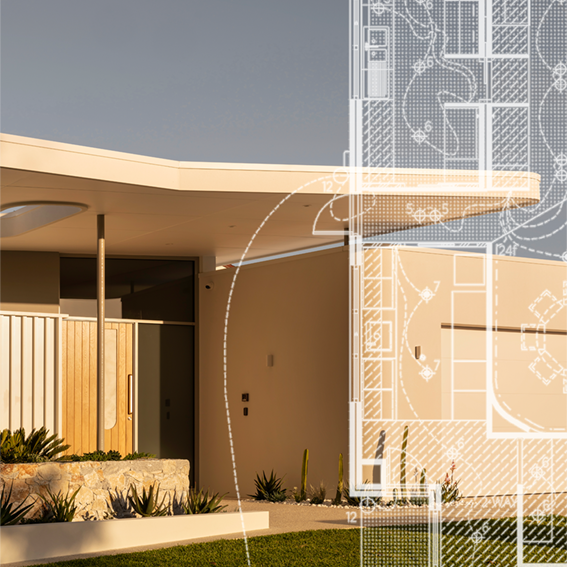
Gone are the days when light fixtures were merely functional necessities. Today’s most compelling interiors use lighting as sculptural art that transforms spaces both day and night. Here’s your guide to creating gallery-worthy lighting installations that work as hard and look fantastic.
The Double Life
The best architectural lighting performs two tasks: sculptural beauty by day and functional illumination by night. Understanding this dual nature is key to successful selection and placement. By day, your fittings should complement your space even when unlit, with forms that catch natural light and materials that add visual interest. By night, they transform into sources of magic, casting intentional light patterns and creating layers of illumination that can be adjusted for any mood.

Pictured: Murané Suspension by Panzeri

Making a Statement
Your entrance sets the tone for the entire home, making it the perfect place to begin your lighting-as-art journey. Consider cascading installations that flow through stairwells, drawing the eye upward and creating different experiences from every angle. Linear sculptures can guide movement through hallways, while carefully chosen feature pieces can cast intricate shadow patterns that transform plain walls into dynamic canvases.

Pictured: Moon by Grapants. Project: MSWA Lottery City Beach
The Science of Placement
Successful lighting art follows key principles of proportion and placement. For dining areas, pendants typically hang 75-90cm above the table surface, allowing for clear sightlines while providing proper illumination. While an oversimplification, the size of your light fixture should generally be about 30cm less than the table’s width. For example, over a 150cm round dining table, consider a fixture or grouping around 120cm wide for dramatic effect.
Material Mastery
Light itself becomes a material when refracted through glass, acrylic, or mesh, creating layers of illumination that add depth to your space. Polished metals and mirrors can amplify impact, while wooden or woven elements add organic texture that softens modern interiors. Consider how your chosen materials will interact with both natural and artificial light throughout the day.

Pictured: Panzeri Roris with a strong decorative character inspired by nature
Creating Conversation Pieces
The unexpected placement of lighting art often creates the most compelling installations. Consider sculptural pieces above freestanding baths, artistic task lighting in home offices/libraries, or weather-resistant sculptures that illuminate outdoor areas. The intersection of light with other elements – water features, plants, or really anything – can create truly unique installations.

A cluster of Tooy Muse and Nabila enriches this bathing space. Project: City Beach by Giorgi
Technical Essentials
The success of artistic lighting installations depends on careful technical planning. Key considerations include:
- Structural support requirements for heavier pieces
- Proper electrical planning
- Colour temperature selection for optimal ambiance
- Beam angle selection for desired effects
- Smart control systems for scene setting
Common Mistakes to Avoid
Many ambitious lighting schemes fall short through simple oversight. Avoid oversizing pieces for your space, and maintain adequate separation between art pieces and lighting. Never sacrifice practical illumination for pure aesthetics, and always work with, rather than against, your architectural features.
Taking the Next Step
While the principles in this guide will help you envision the possibilities of lighting as art, creating a cohesive lighting design requires expertise in both aesthetics and technical implementation. Our lighting design consultants can help you:
- Create a comprehensive lighting plan that transforms your space
- Select statement pieces that complement your architecture
- Ensure proper technical specifications and installation requirements
- Balance artistic impact with practical illumination needs
- Develop a layered lighting scheme that works both day and night
Schedule a consultation with our lighting designers to begin your journey into architectural lighting.