As our spaces become increasingly multi-functional, we need lighting that adapts as we do. The future lies in truly responsive micro-environments – intelligently orchestrated lighting zones that transform spaces without physical barriers. This isn’t about individual smart bulbs and app-controlled colour changes; it’s a holistic approach to crafting adaptive atmospheres.
Creating Spaces Within Spaces
Traditional lighting treats rooms as single-purpose entities. Today’s hybrid spaces demand more nuanced solutions that acknowledge how we actually live and work. Imagine a modern open-plan area containing multiple lighting zones that operate independently yet harmoniously. A sophisticated micro-environmental system allows a kitchen island to shift from bright, functional food preparation light to intimate dining illumination, while a nearby living space simultaneously maintains a bright, focused reading corner alongside a softly dimmed TV viewing area.
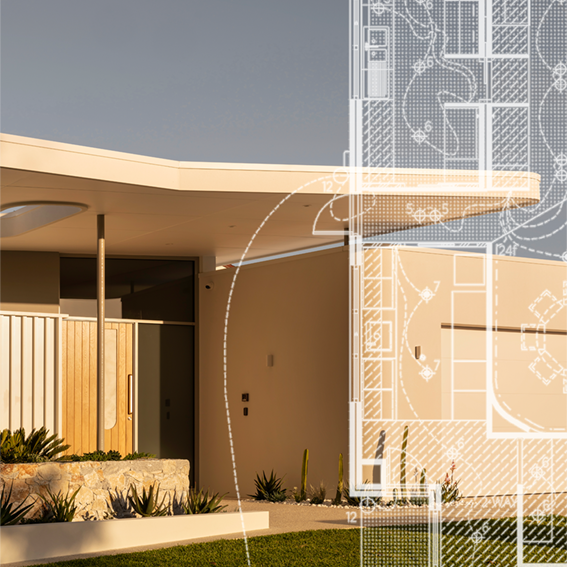
This transformation doesn’t require renovations or necessarily mean a bunch of new fixtures. Instead, it emerges from strategic design, thoughtful placement of architectural lighting, and advanced control systems that orchestrate these elements to create distinct atmospheric “bubbles” coexisting within shared physical spaces. The home office corner that energises your workday can seamlessly dissolve into the bedroom’s restful ambiance come evening, all through the coordination of precisely tuned light layers.

Beyond Ambient, Accent, and Task Lighting
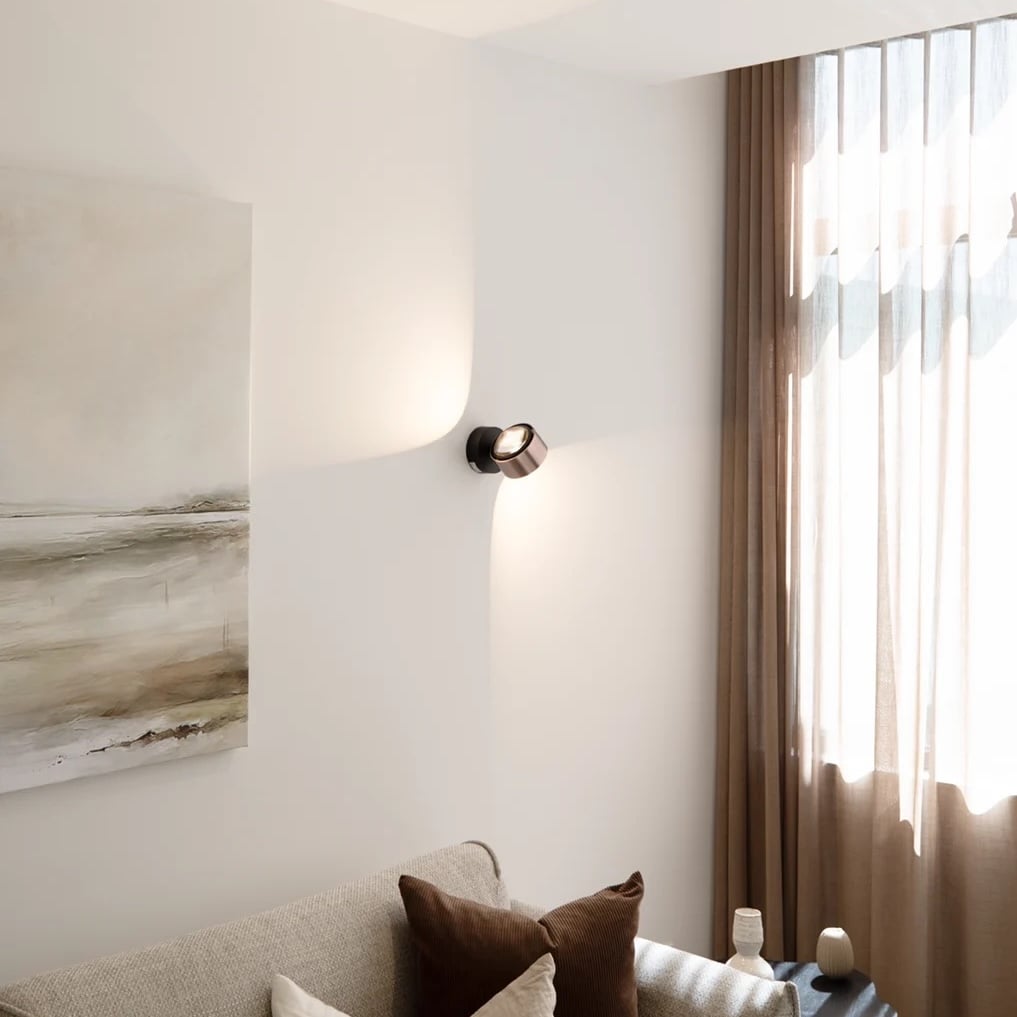
While micro-environmental lighting represents a technological leap forward, it simultaneously elevates the role of decorative lighting as art and design. This is not a rejection of the classic principles of ambient, accent, and task lighting, but rather their natural evolution into a more dynamic, integrated, and responsive form. Think of it as these foundational layers becoming intelligent and interactive.
Decorative lighting fixtures—from sculptural pendants to artisanal table lamps—take on heightened importance in micro-environmental systems. As functional lighting becomes increasingly integrated and often invisible within architectural elements (such as coves, washes, and downlights), statement lighting pieces serve as artistic focal points that define the visual character of a space. These decorative elements work in concert with the responsive system, sometimes serving as beacons for specific micro-environments while maintaining their aesthetic value, distinct from the core architectural illumination.

Feeling Over Function
The micro-environmental approach inverts the traditional control paradigm by prioritising ‘experience’ over technical specs. Instead of micromanaging brightness percentages or selecting specific colours via an app, the goal is to achieve a desired atmosphere or support a specific activity. We might think in terms of:
– “Energising” for morning productivity
– “Focused” for detailed work
– “Relaxing” for pre-sleep wind-down
Physical switches increasingly give way to voice commands and gesture controls,~~ While intuitive interfaces are key, the true power lies in automation and pre-designed scenes that adapt intelligently. The most advanced systems require minimal direct intervention, creating what designers call “environmental intelligence”—spaces that seem to intuitively understand and respond to human needs without constant prompting. This is less about commanding individual lights and more about the environment responding as a whole.

The Path Forward
As we embrace this lighting paradigm shift, several principles will guide successful implementation. The goal isn’t more visible lighting elements or a multitude of controllable gadgets, but more intelligently incorporated ones that blend seamlessly with architecture and furnishings. This allows carefully chosen decorative pieces to shine as deliberate design statements, rather than having every light source compete for attention.
Micro-environmental lighting isn’t just a technological advancement—it represents a fundamental rethinking of our relationship with built spaces. By creating responsive lighting ecosystems, we’re not just illuminating rooms—we’re designing experiences that adapt to human needs in real-time, transforming rigid environments into fluid landscapes that respond to the rhythm of our lives. In this new paradigm, lighting serves dual roles.